About Us
ASTM D2063
Plastic Bottles are ubiquitous in beverage, pharmaceutical, and consumer goods packaging, where closure integrity directly affects safety, shelf life, and consumer experience. ASTM D2063 provides a quantitative, standardized approach for evaluating removal torque of continuous thread closures under defined environmental conditions.
This standard serves multiple purposes: it allows engineers to assess torque retention over time, compare different closure designs, and evaluate the impact of manufacturing variability or environmental stress. By adhering to ASTM D2063, manufacturers can ensure consistent performance of closures, reducing leaks, contamination, and premature product failure.

Cap Torque Testing is Critical for Quality Control
Detailed Test Scope and Purpose
ASTM D2063 covers:
- Static Evaluation (Test Method A): Measurement of removal torque at predetermined intervals after storage under controlled environmental conditions such as temperature and humidity. This method simulates long-term shelf performance and evaluates how closures maintain torque after aging.
- Dynamic Evaluation (Test Method B): Application of simulated distribution stress (ASTM D4169), including vibration, stacking, and handling. Measurement of removal torque post-simulation indicates how closures perform in real-world shipping and logistics environments.
The standard specifies the use of either SI units or inch-pound units, treating them independently. This ensures clarity and reproducibility in international testing, although SI units are recommended.
Cap Torque Testing is Critical for Quality Control
Principles of Closure Torque Testing
The core principle of ASTM D2063 is to quantify torque retention, i.e., the resistance of a container/closure system to rotation under controlled conditions. Important aspects include:
01
Applied Torque
The initial torque applied during closure capping is standardized for comparative testing.
02
Environmental Conditioning
Closures may be stored in high/low humidity or temperature-controlled chambers to simulate storage or shipping conditions.
03
Torque Measurement
Removal torque is measured using spring torque meters, digital torque testers, or motorized units. The torque value reflects closure tightness, seal integrity, and potential user effort required for opening.
These principles ensure that the test reflects both engineering design objectives and practical handling requirements, bridging lab measurements with end-user performance.
ASTM D2063 emphasizes the importance of controlling several variables for accurate and reproducible results:
- Closure Material and Design: Plastic, metal, and hybrid closures behave differently under stress; thread geometry influences measured torque.
- Container Material: Flexible vs. rigid bottles affect torque transfer and measurement consistency.
- Capping Process: Variations in torque during manufacturing or differences in capping speed may lead to inconsistent initial closure tension.
- Storage Conditions: Temperature cycling or humidity exposure can alter closure torque over time.
Cap Torque Testing is Critical for Quality Control
Critical Factors Affecting Torque Measurements
Understanding these factors helps engineers interpret results correctly and implement corrective actions in production or design.
Practical Testing Procedure
A typical ASTM D2063 testing workflow includes:
- Sample Selection: Representative samples are drawn from multiple production batches.
- Environmental Conditioning: Store under controlled conditions to simulate real-world aging.
- Torque Measurement: Using a motorized or manual bottle cap torque tester, measure removal torque. Record both peak torque and continuous profiles for in-depth analysis.
- Data Analysis: Compare measured torque to target values. Identify deviations that may indicate capping issues, material inconsistencies, or environmental susceptibility.
- Reporting: Document closure type, applied torque, environmental conditions, and measurement results for quality control and engineering evaluation.
Recommended Testing Equipment
Selecting the right equipment is essential for accurate bottle cap torque testing according to ASTM D2063. Depending on your needs, both manual and automated solutions are recommended:
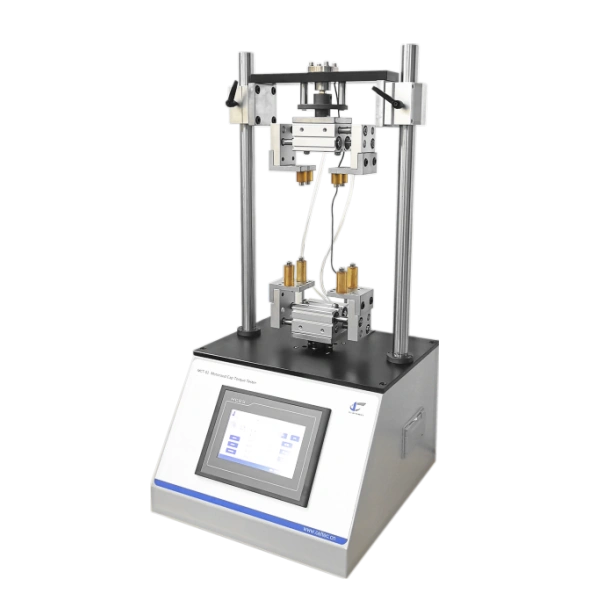
01
MCT‑01 Motorized Cap Torque Tester
- Automated testing ensures consistent, repeatable results.
- Records torque values and dynamic profiles for detailed analysis.
- Perfect for R&D, large sample testing, and production monitoring.
- Supports both Static and Dynamic Evaluation (Methods A & B).
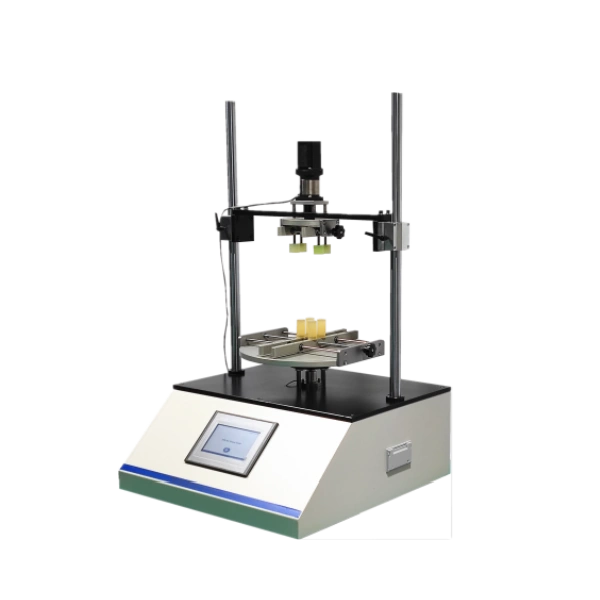
02
TT‑01 Manual Torque Tester
- Simple, easy to use for quick QC checks.
- Provides direct torque readings via dial or digital display.
- Ideal for small batches or routine laboratory testing.
- Suitable for Static Evaluation (Method A) under controlled conditions.
Using TT‑01 for quick checks and MCT‑01 for comprehensive testing offers an efficient workflow, ensuring reliable cap performance and compliance with ASTM D2063.
Why Choose Cell Instruments for Bottle Cap Torque Testing?
Ensuring Compliance with Torque Testing Standards
Predicting performance under storage, handling, and transportation conditions.
Product Reliability
Providing objective, standardized measurements for industry certification.
Regulatory Compliance
Informing closure material selection and thread design.
Packaging Development
:Ensuring bottles are easy to open without compromising seal integrity.
Consumer Safety
By combining standardized testing, advanced equipment, and comprehensive data analysis, manufacturers can optimize closure systems for performance, usability, and safety.
FAQs
What is the purpose of ASTM D2063 testing?
ASTM D2063 measures the torque required to remove continuous thread closures on containers. It evaluates torque retention, cap consistency, and overall closure performance under controlled conditions.
What materials can be tested using this standard?
The standard applies to plastic, glass, or metal containers with continuous thread closures. It covers closures used in beverages, pharmaceuticals, and consumer goods.
Can both manual and automated testers be used?
Yes. Manual testers (TT‑01) are suitable for quick QC checks, while motorized testers (MCT‑01) provide repeatable, precise results for research, development, and large sample sizes.
How does torque retention affect product performance?
Consistent torque ensures the container remains sealed during storage, transport, and handling, preventing leaks and maintaining product integrity.
 EN
EN  AR
AR  BG
BG  CS
CS  DA
DA  DE
DE  EL
EL  ES
ES  ET
ET  FI
FI  FR
FR  HU
HU  ID
ID  IT
IT  JA
JA  KO
KO  LT
LT  LV
LV  NB
NB  NL
NL  PL
PL  PT
PT  RO
RO  RU
RU  SK
SK  SL
SL  SV
SV  TR
TR  UK
UK  TH
TH  HE
HE  VI
VI