In the field of pharmaceuticals packaging, ensuring the safety and integrity of products is critical. One essential factor in maintaining this integrity is the bottle cap torque testing, which measures the force required to open a sealed bottle. This test ensures that the cap is securely applied during manufacturing while being easy enough to open by consumers. With stringent quality control requirements for pharmaceutical packaging, this test helps to avoid issues such as contamination, tampering, or leakage, ensuring the product is protected throughout its lifecycle.
This article explores the importance of bottle cap torque testing, its method, and its relevance to industry standards like ASTM D2063, which is widely used to assess the quality of bottle closures, especially for pharmaceuticals.
What is Bottle Cap Torque Testing?
Bottle cap torque testing is a process that evaluates the force required to open a bottle cap. This test measures both the torque retention and opening torque of the closure, ensuring that it remains sealed during transport and storage but can also be opened by the end consumer without excessive force. Proper torque values are critical to preventing issues like leakage, contamination, or difficulties in consumer use.
In pharmaceutical packaging, the reliability of the seal on a bottle is of utmost importance. Ensuring the correct torque values is vital for maintaining product integrity, particularly when dealing with sensitive or regulated substances. A properly sealed cap helps to avoid exposure to external elements, preserving the shelf-life and safety of the pharmaceutical product inside.
ASTM D2063: The Standard for Bottle Cap Torque Testing
ASTM D2063 is a standard developed by ASTM International to quantify the torque required to open continuous thread closures on containers. The test provides manufacturers with a means of evaluating the effectiveness and quality of their closure systems under predetermined environmental conditions. It is a highly respected standard in industries like pharmaceuticals, food, and beverages.
The ASTM D2063 standard outlines two primary testing methods:
- Test Method A: Static Evaluation – This method measures the removal torque of a container closure at set time intervals. The samples are stored under controlled environmental conditions, and the torque is measured to assess the closure’s performance over time.
- Test Method B: Dynamic Evaluation – This method involves evaluating closure performance at the end of predetermined distribution cycles, simulating the handling and transportation conditions packaging may face during shipping.
Both methods are designed to assess the torque retention properties of container closures, ensuring they function as intended in real-world conditions.
Opening Torque and Its Significance in Pharmaceuticals Packaging
Opening torque refers to the amount of force needed to open a tightly sealed bottle. This is a crucial parameter in pharmaceutical packaging, as it ensures that the product is both secure and accessible for the end user. If the opening torque is too high, it may make it difficult for consumers to open the product, especially for elderly users or those with limited hand strength. On the other hand, if the torque is too low, the product may not be adequately sealed, increasing the risk of contamination or tampering.
The balance between these two factors is essential for ensuring ease of use while maintaining the safety and integrity of the product. Correct opening torque is vital for pharmaceuticals, where tamper-proof packaging is required to guarantee the safety and efficacy of the product.
The Importance of Bottle Cap Torque Testing in Pharmaceuticals Packaging
The bottle cap torque testing process plays a crucial role in pharmaceuticals packaging by ensuring that the bottle closures are both secure and easy to open. Some of the key benefits of performing this test include:
Cell Instruments Torque Tester: A Recommended Solution
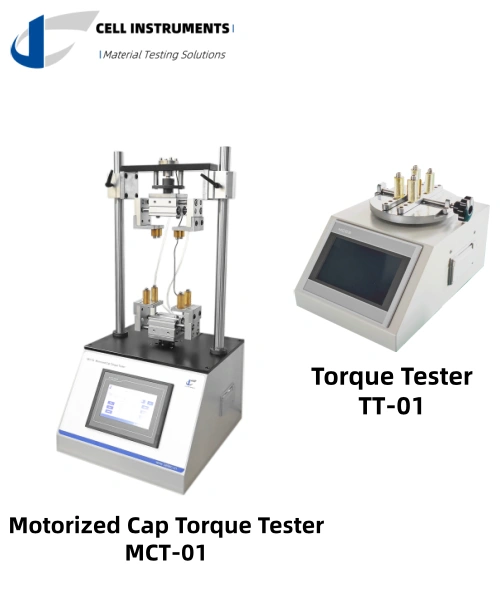
For accurate and reliable bottle cap torque testing, the Cell Instruments Torque Tester is an excellent solution. The device is designed to provide precise measurements of opening torque and torque retention, ensuring that your packaging meets the required standards.
Key Features of the Cell Instruments Torque Tester:
- High Accuracy: Provides precise torque measurements for both static and dynamic evaluations.
- User-Friendly Interface: Easy to operate with clear digital readouts for consistent results.
- Compliant with ASTM D2063: Ensures that testing meets industry standards for bottle cap torque testing.
- Durable and Reliable: Built to withstand high-volume testing in industrial settings.
Conclusion
In conclusion, bottle cap torque testing is an essential procedure in the pharmaceuticals packaging industry. By accurately measuring opening torque and torque retention, manufacturers can ensure that their products are both securely sealed and easy to open. ASTM D2063 provides the standard framework for this testing, ensuring consistency and reliability across all packaging systems.
The Cell Instruments Torque Tester offers a reliable solution for performing this critical test, helping manufacturers maintain high-quality packaging standards and meet regulatory requirements. With the right tools and knowledge, manufacturers can improve product safety, enhance consumer experience, and ensure the integrity of their pharmaceutical products.
 EN
EN  AR
AR  BG
BG  CS
CS  DA
DA  DE
DE  EL
EL  ES
ES  ET
ET  FI
FI  FR
FR  HU
HU  ID
ID  IT
IT  JA
JA  KO
KO  LT
LT  LV
LV  NB
NB  NL
NL  PL
PL  PT
PT  RO
RO  RU
RU  SK
SK  SL
SL  SV
SV  TR
TR  UK
UK  TH
TH  HE
HE  VI
VI